



The GoCoCo Table
The magazine of the GoCoCo community The diabetic place to be

You just got the news.
Welcome to the rest of your table.

More than 1,200,000 people already use GoCoCo to find food they can eat. This is where that community gets a table — a magazine-shaped home for people living with type 2 diabetes and prediabetes, and for the people who cook beside them. Food is still pleasure here. Numbers are just information. And nobody reads a label alone.

No lectures. No shame. Unsubscribe any Tuesday.
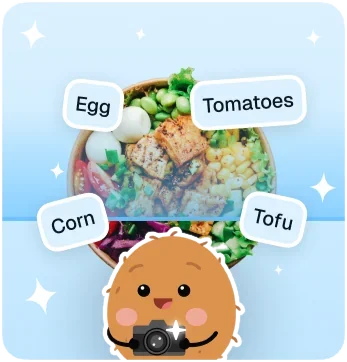
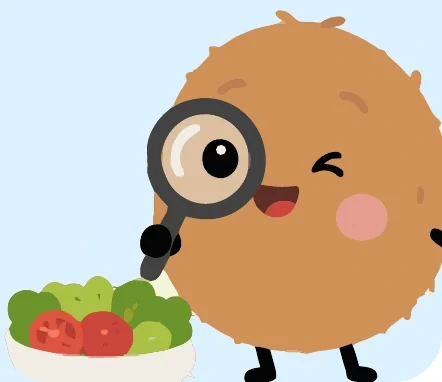
GoCoCo’s mascot exploring a bowl of vegetables
Cover — the house mascot, at work in the vegetables
GoCoCo — as seen on
CBS Bloomberg FOX MasterChef El País
01 · The Columns Three voices, one standard

Our columnists write what the pamphlet didn't say

Every piece in this magazine is written by one of three editors — a clinical eye, a patient in his first ninety days, and the woman who cooks for a man with a new diagnosis. Different chairs at the same table. One rule for all three: every claim carries its source.

The Medical Eye

The Science of the Plate

Why the same thirty grams of carbohydrate can behave like two different foods.

A slice of white bread and a bowl of lentils can carry similar carbohydrate counts and still write completely different stories on a glucose meter. The difference is mostly fiber, and it is worth understanding once, calmly, because it will quietly reorganize your grocery cart. Fiber slows the rate at which carbohydrate is digested and absorbed, which flattens the rise in blood glucose after a meal (ADA). The lentils arrive gradually. The white bread arrives all at once.

This is why "avoid sugar" is incomplete advice. Refined starches — white bread, white rice, many breakfast cereals — behave much like sugar once digestion begins. What protects you is not the absence of sweetness; it is the presence of structure: intact grains, skins, seeds, beans. A practical starting point is the plate method — half the plate non-starchy vegetables, a quarter protein, a quarter carbohydrate, ideally the fibrous kind (ADA).

One more honest thing: responses vary from person to person, and your meter will teach you your own patterns better than any column can. Bring what you learn to your care team — that conversation is where general science becomes your plan.


Cited · ADA Standards of Care · reviewed before publication
The Co-Founder

Why We Built This

The gap between the front of the box and the back of it.

Walk any cereal aisle and count the boxes that call themselves healthy. Now turn them over and read the back. That gap — between what the front of a package promises and what its ingredient list actually does — is why GoCoCo exists. Nobody should need a chemistry degree to buy breakfast, least of all someone who just left a doctor's office with a diagnosis and a pamphlet.

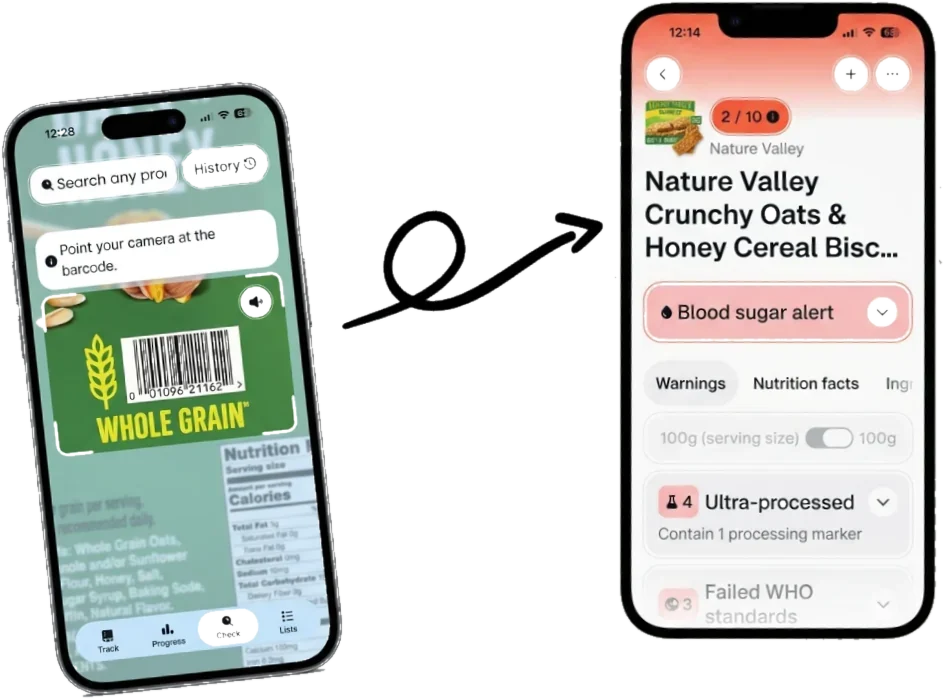
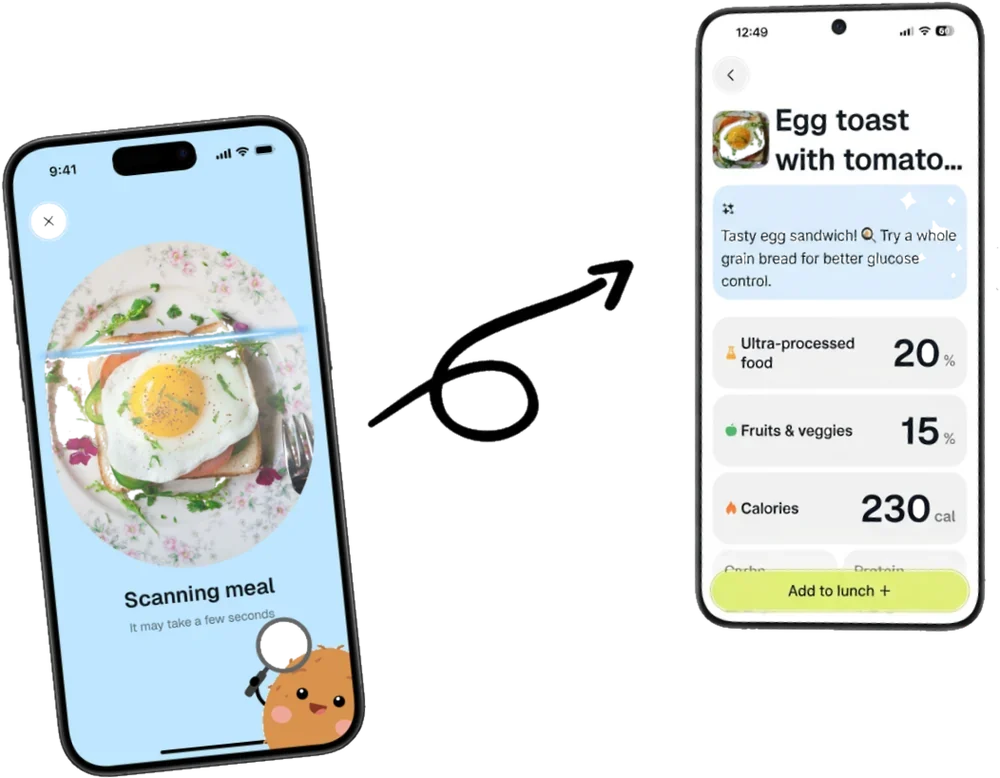
We built GoCoCo to do one job: help people with diabetes or excess weight reduce ultra-processed foods. Not with rules, not with guilt — with information at the exact moment it is useful. You scan a product at the shelf and get a score before it is in your cart. You photograph your plate and see what is actually on it. The work happens in the store and in the kitchen, in seconds, where the decisions really get made.

What I did not expect when we started was the letters. People write to tell us the scanner caught something they had trusted for years, or that the first week after diagnosis felt survivable because the shelf finally made sense. More than 1,200,000 people now use GoCoCo to find food they can eat. This page is the next step — a table where that community can sit down together. Pull up a chair.

The mission, plainly · the science desk reviews every claim
A diary, not advice · his plan is his care team's
The Everyday

The Family Table

One pot, two diets, and the rice question every family answers.

The rice question arrives at almost every table eventually. In the families we hear from, rice — or tortillas, or bread — is not a side dish; it is the center of gravity, the recipe a grandmother taught and a mother passed on. A diagnosis lands in the middle of that inheritance, and the pamphlet from the clinic has nothing to say about it. The answer gets worked out at the stove, the way families work everything out.

The families who make it work rarely banish the staple. They change its proportions — a smaller mound, more vegetables folded through, beans doing more of the work they have always quietly done. Some blend riced cauliflower into the pot and report that nobody files a complaint. The point is never a separate, sadder plate for one person while everyone else eats like before. One pot. One table. Adjusted, not divided.

The harder recipe is the talking. "Should you be eating that?" is a sentence that has never once helped anyone. What helps, people tell us again and again: stocking the kitchen so the easy choice is a good one, walking together after dinner, and letting the numbers belong to the person they measure. Cooking with love and policing with it are not the same act. The families at ease have learned to keep the first and drop the second.

The family angle · support without policing
The standard behind the standard

GoCoCo was developed with registered dietitians — and this magazine holds itself to their bar.

The app behind this community was developed with registered dietitians and diabetes specialists. At the Table, the same discipline applies: health claims are cited, clinical answers come from the clinical desk, and nothing is published that your care team would wince at.

Portrait of Juan Revenga, Registered Dietitian
Juan Revenga
Registered Dietitian
Portrait of Mariona Balfegó, Registered Dietitian
Mariona Balfegó
Registered Dietitian
Portrait of Julie Ruelle, Registered Dietitian
Julie Ruelle
Registered Dietitian
02 · Letters Real App Store reviews

The community already exists. Hear it.

These are real App Store reviews of GoCoCo, reprinted exactly as the official site displays them. The Table did not have to invent its community — it has been eating better for years.

Love this helps me control my diabetes. Things I thought were healthy were actually not
mrsjrobins · App Store · ★★★★★ · Jan 18, 2026
I use it while grocery shopping and at home to scan products and ensure they're safe for me to eat while keeping my blood sugar levels in check.
Reason4rob · App Store · ★★★★★ · Apr 10, 2025
This app consistently helps me understand food content so that I can control my diabetes. A huge help!
Thomas S Redmond · App Store · ★★★★★ · May 25, 2026
This app is great in helping me in deciding the foods l can eat and those I should avoid
Oaklandsraider · App Store · ★★★★★ · Jun 24, 2026
03 · The Shelf Editor's picks, scored 1–10

This month's market page

Real shelves, real stores, no brand worship — categories you can find in any aisle, scored the way the GoCoCo scanner scores them. The verdicts are the editors'.

Scanning a product barcode with the GoCoCo app, and the score it returns on the shelf
At the shelf — a barcode, scanned; a score, returned. This is where the picks below come from.
Walmart
Plain Greek yogurt
instead of fruit-on-the-bottom cups
"Protein first thing in the morning; add your own berries and the sugar math changes entirely." — Julie
9/10
Kroger
100% whole-grain bread, 3g+ fiber a slice
instead of "wheat" bread with 1g
"Fiber is the number to read. The word 'wheat' on the front is decoration." — Julie
8/10
Costco
Frozen riced cauliflower
folded into a full pot of white rice
"Half the carbs of a rice night without touching the ritual. My pot, my rules." — Lindsay
9/10
Target
Unsalted mixed nuts
instead of the office vending machine
"The three o'clock snack that doesn't ask my meter for forgiveness." — Laura
8/10
Aldi
Nut butter, no added sugar
instead of the one with a dessert label
"Two ingredients. A good label reads like a haiku." — Julie
8/10
Walmart
Unsweetened sparkling water
instead of soda, diet or otherwise
"The soda shape and the soda sound, without the soda math." — Laura
9/10
04 · The Table This week's menu

Three dinners worth setting the table for

Composed for flavor first, carbohydrate awareness second — because a meal you don't enjoy is a meal plan you won't keep. Per-serving carbohydrate estimates shown; your portions and your meter will refine them.

A photographed meal with each food named by the GoCoCo app: egg, tomatoes, corn and more
At the plate — one photograph, every food named. The app reads the meal; the Table sets it.
Tuesday
Sheet-pan salmon with charred broccoli & lemon

One pan, twenty minutes, and the kind of dinner that makes the week feel handled. Olive oil, garlic, a proper amount of lemon.

14g carbs est. RD reviewed
Thursday
White-bean & kale soup with parmesan broth

Beans bring the fiber that slows the carbohydrate down — the rare dish that is both comfort food and good counsel.

28g carbs est. RD reviewed
Saturday
Chicken fajita bowl on cilantro-lime cauliflower rice

Peppers, onions, proper seasoning, and Lindsay's one-pot philosophy: the whole family eats this one, no separate plates.

22g carbs est. RD reviewed
05 · The Ask Answered by Julie Ruelle, RD

The questions everyone asks in week one

Sent in by readers, answered with sources. Medical questions in this community are always answered this way — by the clinical desk, in writing, with citations. Never by the crowd.

Q.01Is fruit off-limits now?

No — and this may be the most common misunderstanding of the first month. Whole fruit arrives with fiber, water, and structure, which slow the absorption of its sugars; fruit juice arrives without them, which is why juice behaves more like soda than like an orange. Berries in particular pair modest carbohydrate with high fiber, which is why they appear so often on diabetes-friendly menus (ADA)¹.

Portion still matters — a banana is not a problem, five bananas are a pattern — but the instinct to fear the fruit bowl is one you can retire. Your meter, checked after a serving of the fruit you actually love, will tell you more than any list. Bring the pattern to your care team.

Q.02What does "ultra-processed" actually mean?

It is not a synonym for "junk food," though the two often overlap. Ultra-processed foods are industrial formulations — products assembled from refined ingredients and additives you would not find in a home kitchen, engineered for shelf life and intense palatability. Research has associated diets high in ultra-processed foods with higher risk of type 2 diabetes and poorer metabolic outcomes (CDC)².

The practical cue is the ingredient list, not the front of the package: the longer the list and the harder it is to pronounce, the more processed the product tends to be. This is exactly what the GoCoCo scanner estimates on a shelf — but your own eye, trained on labels for two weeks, becomes remarkably good at it too.

Q.03Do I need to count every carb?

For many people with type 2 diabetes who are not on insulin, strict gram-counting is not required — what matters more is awareness and consistency: knowing which foods carry carbohydrate, keeping portions steady, and spacing them through the day. The plate method exists precisely so that eating well doesn't demand arithmetic at every meal (ADA)³.

Some people do need closer counting — it depends on your medications and your plan. That is a conversation for your care team, and the honest answer to most "do I have to…" questions in week one is: ask them, and let this community handle the groceries in the meantime.

1, 3 — American Diabetes Association, Standards of Care & nutrition consensus guidance.   2 — CDC diabetes & nutrition resources; observational research on ultra-processed dietary patterns.
Educational content, not medical advice. Diagnosis, medication, and targets belong to your care team.
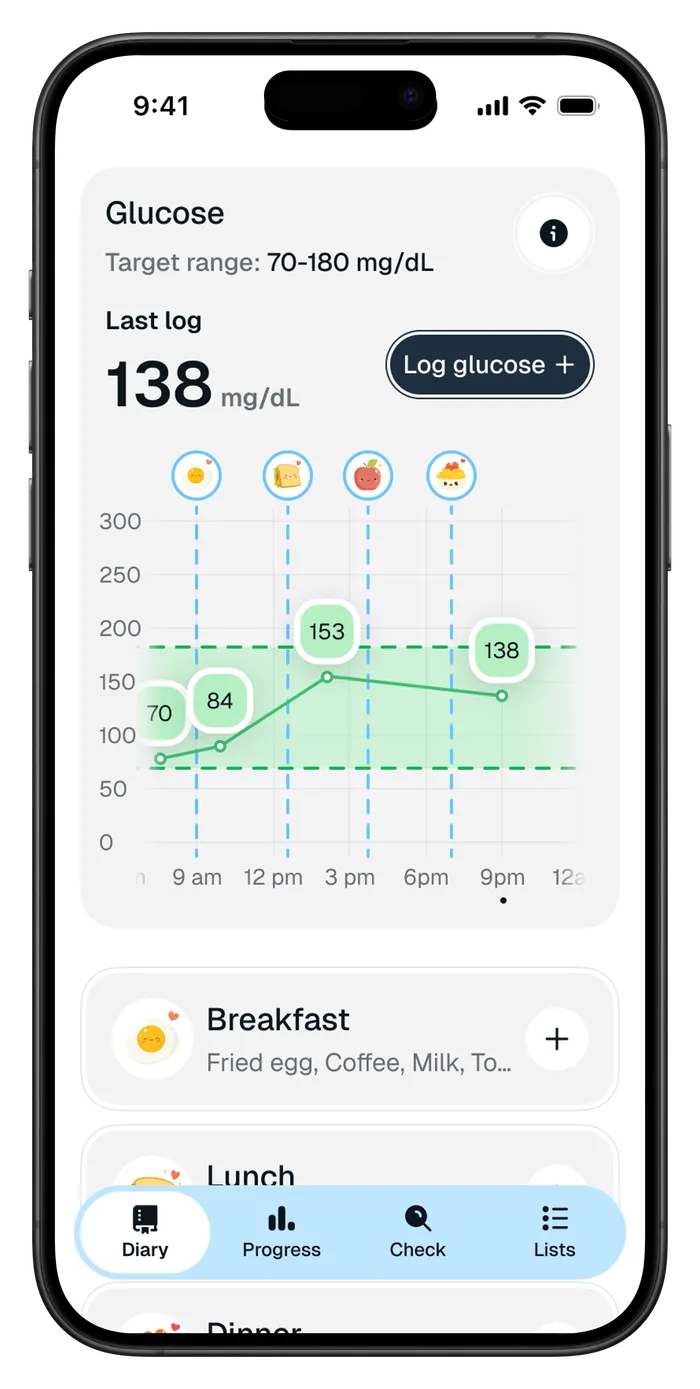
The GoCoCo glucose screen: readings over a day shown against a target range
Numbers as information, not verdicts — a day of readings against a target range, in the app.
A photographed meal in GoCoCo and the reading it returns: ultra-processed content, fruits and vegetables, calories and carbs
One photograph, one read: ultra-processed content, vegetables, calories, carbs.

The app reads the plate. The Table is where we talk about what's on it.

06 · Together Your seat is waiting

Your table is already set. More than 1,200,000 people already use GoCoCo — this is where we sit down. No lectures, no before-and-after photos, no miracle anything. We aren't allowed to print that word, and we like it that way.

This community isn't starting from zero — it's been eating better with GoCoCo for years, one scanned shelf and one photographed plate at a time. The Table gives it a place to talk: shelf finds traded from real grocery runs, honest first-ninety-days notes, one good challenge a week, and a clinical desk that answers the scary questions in writing, with sources. Food talk is open to everyone. Medical talk goes to the professionals. That rule keeps this place safe — and keeps it kind.

Free. One letter a week when we open. We ask for your email and a first name — nothing else.